Complex ideas made simple
Opportunity cost: what we leave unchosen
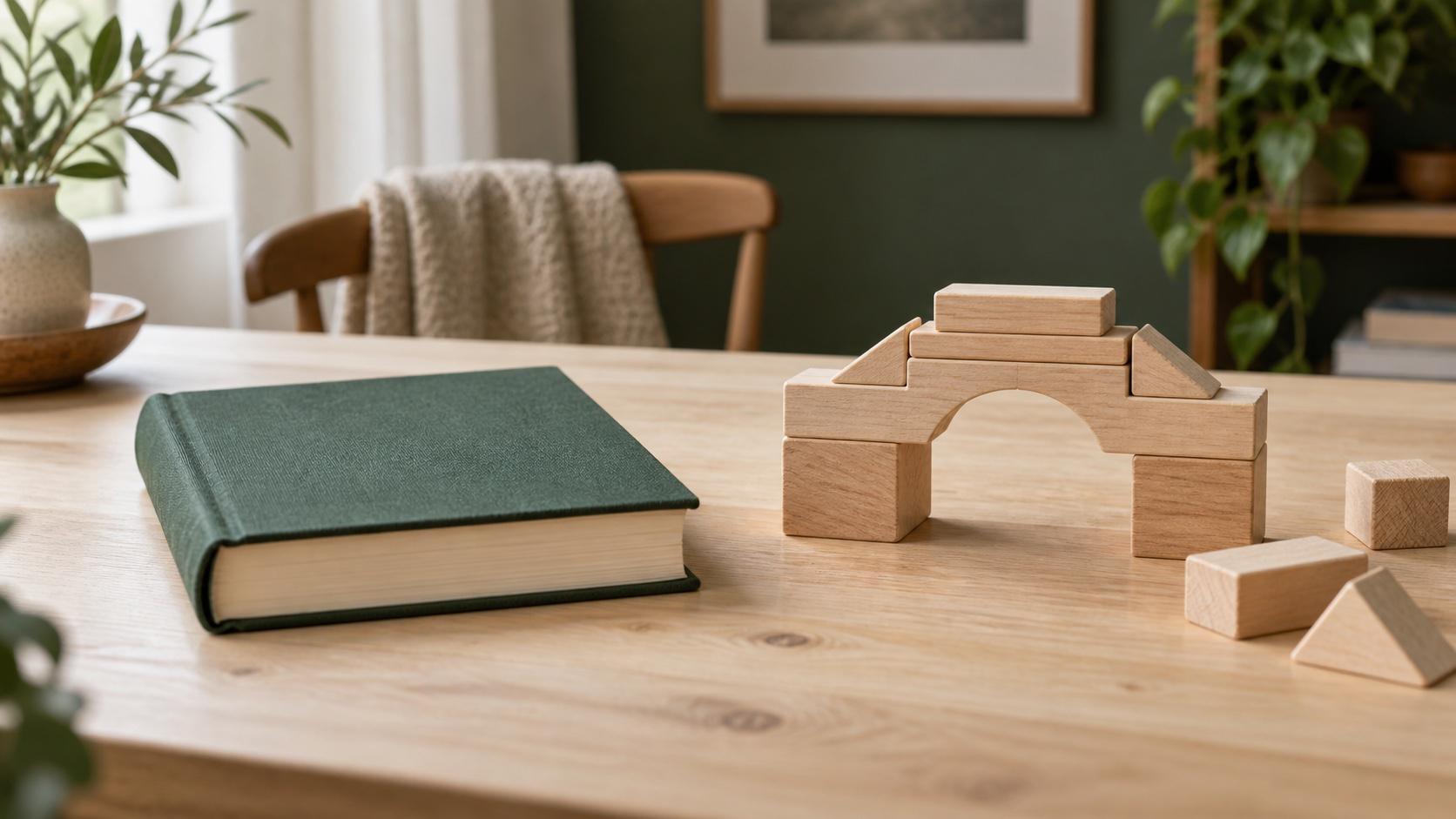
Choosing one thing sometimes means giving up another. The benefit of the best available option you give up is called opportunity cost.
A book or building blocks
Imagine there are 20 minutes before a walk. You could read a short story or build a bridge with blocks. In this hypothetical example, there is not enough time for both.
You choose the bridge. If reading was the best remaining option, the enjoyment of the story you do not read now is the opportunity cost of that choice. No payment is required: this is about what you did not get during those 20 minutes.
How to notice the choice
- Name what is limited: time, money or space.
- List the options that are genuinely available.
- Choose one and ask: “What is the best other option I am now giving up?”
Count the single best forgone option, rather than adding up everything you could have done. If you can read the story in the evening, the trade-off concerns these 20 minutes, not giving up reading forever.
Why adults can use this idea
Another hypothetical example: you have an hour and decide to spend it searching for a cheaper item. Consider what else you could do in that hour: rest, spend time with family or finish an important task. Which of these matters most to you now?
The question helps you see the whole choice. It does not require putting a monetary price on rest or care for loved ones, or always choosing paid work.
An easy reminder: ask not only “What will I gain?” but also “What is the best alternative I will give up?”
The definition was checked against the CORE Econ glossary and St. Louis Fed educational material. Examples are our own.
More on purchasing choices: “Cost per wear”.