Halal Lifestyle
Cost per wear: a clearer way to assess a clothing purchase
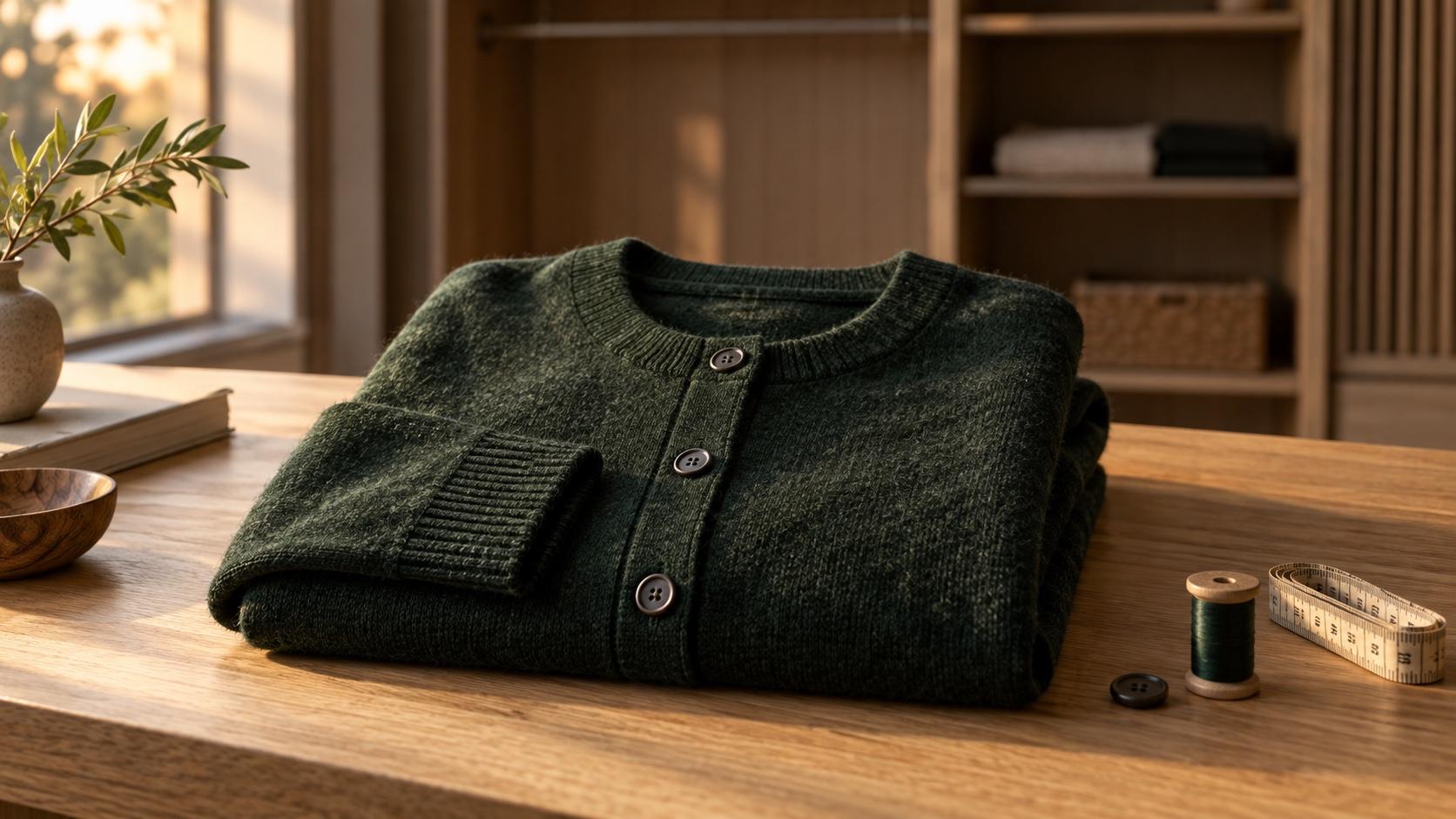
The price tag shows today’s outlay. When comparing two garments you need, another question helps: how many times will you actually wear each one?
A simple calculation
For a household estimate, divide the purchase price plus care and repair expenses over a chosen period by the number of uses during that same period. One outing or one day of wear can count as a use; apply the same definition to both garments.
Cost per use = (purchase + care + repairs) ÷ number of uses.
This is a hypothetical example, not market pricing: a garment costing 3,000 roubles and worn 30 times costs 100 roubles per use. One costing 5,000 roubles and worn 100 times costs 50 roubles. For now, assume no care or repair costs. Add 1,000 roubles of those expenses to the second option and its cost becomes 60 roubles per use.
But if you wear that second garment only 20 times, the same 6,000 roubles becomes 300 roubles per use. The conclusion changes with the assumed frequency of wear. Before purchase, this is a scenario; afterwards, it is a calculation of actual spending.
Four questions before paying
- Does the garment fit, feel comfortable and meet your standards of modest dress?
- Which clothes you already own will you wear it with?
- Is the care specified on the label practical for you, and what will it cost?
- Can likely wear be repaired: a button sewn back on, a seam mended or a fastening replaced?
This is an editorial checklist, not a quality assessment of a particular brand. A high price alone does not prove durability. A low cost per wear does not make a purchase affordable: you still have to pay the full amount.
Look in your wardrobe first
You may already own what you need, with only a small repair required. The Ellen MacArthur Foundation includes repair and keeping clothing in use among circular economy approaches. Source.
Our calculation measures monetary spending only. It does not measure environmental impact, working conditions or a garment’s religious compliance. Compare items serving the same purpose, and do not buy something unnecessary to produce an attractive division result. Thoughtful consumption starts with a real need.